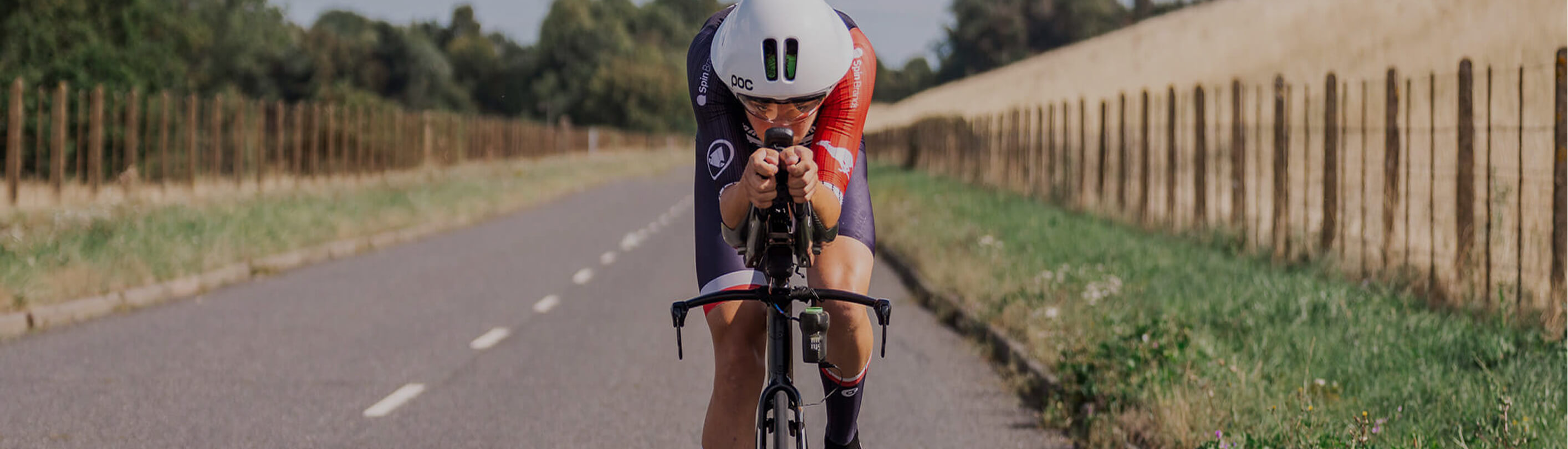
Body Rocket built the first device that measures aerodynamic drag in real time, on the bike, without a wind tunnel. Olympic champions Kristian Blummenfelt and Gustav Iden train on it. Silverstone's engineering hub partnered with them. The press covered it.
Their website was built in-house on Wix. It opened by saying the company was revolutionising cycling performance. That is a sentence about the company, not about the rider reading it.
The product range wasn't on the site. The prices weren't either. Visitors could join a mailing list. That was it.
Weeks away from asking strangers to commit thousands of pounds to hardware that didn't exist yet, the site had made £5,000 and produced four warm leads.
.jpg)
A triathlete wants to know how much faster they will go. A coach wants to know whether it scales across a roster and whether the data holds up. An investor wants to know whether this is a category-defining company.
Those are three different arguments. One page written for all three serves none of them.
There was a second problem. At £3,500, a site that looks like a prototype contradicts the price. Every visitor was resolving that contradiction – against the brand.
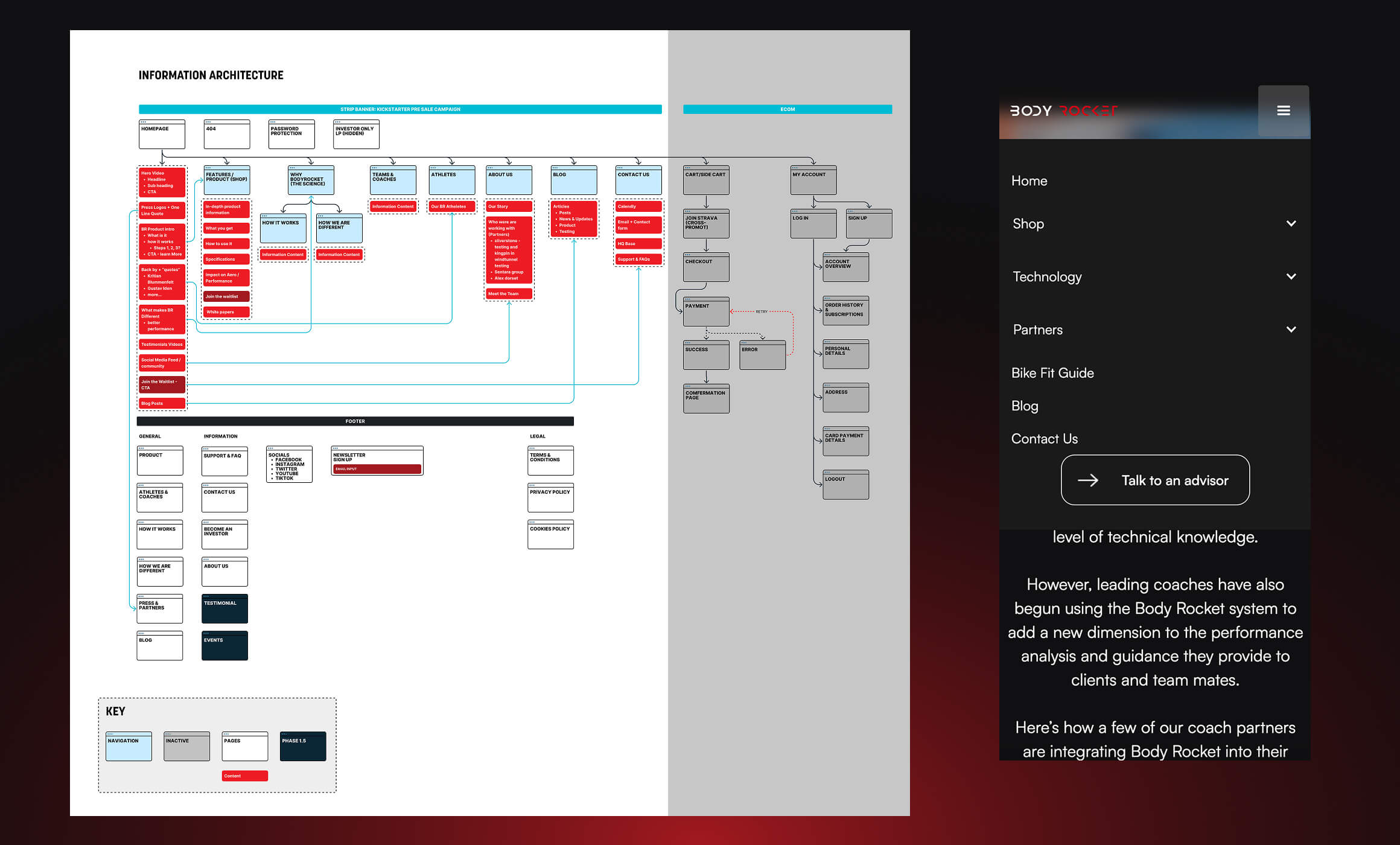
Discovery split the audiences properly: B2C athletes, B2B coaches and teams, and investors. Each got their own route through the site.

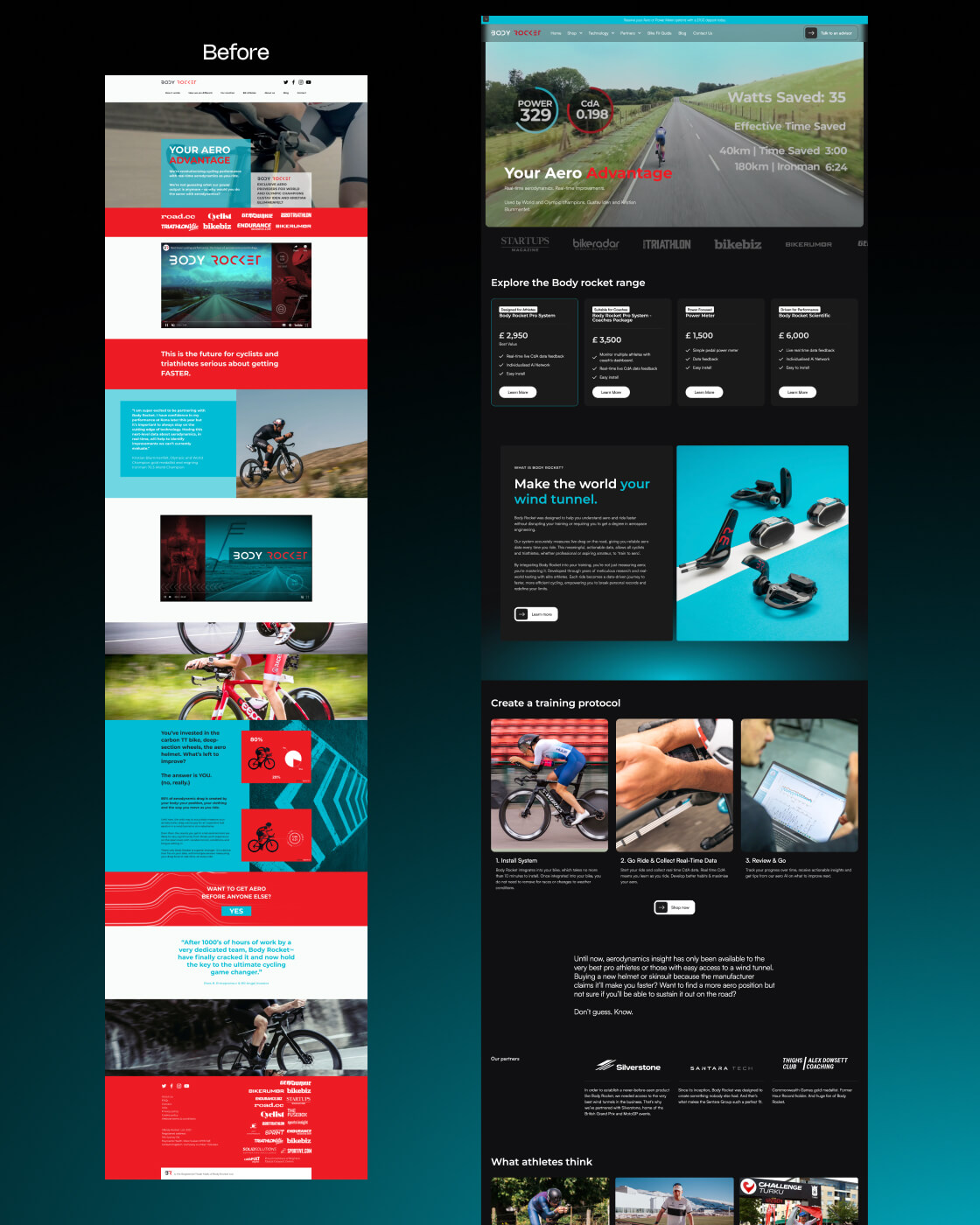
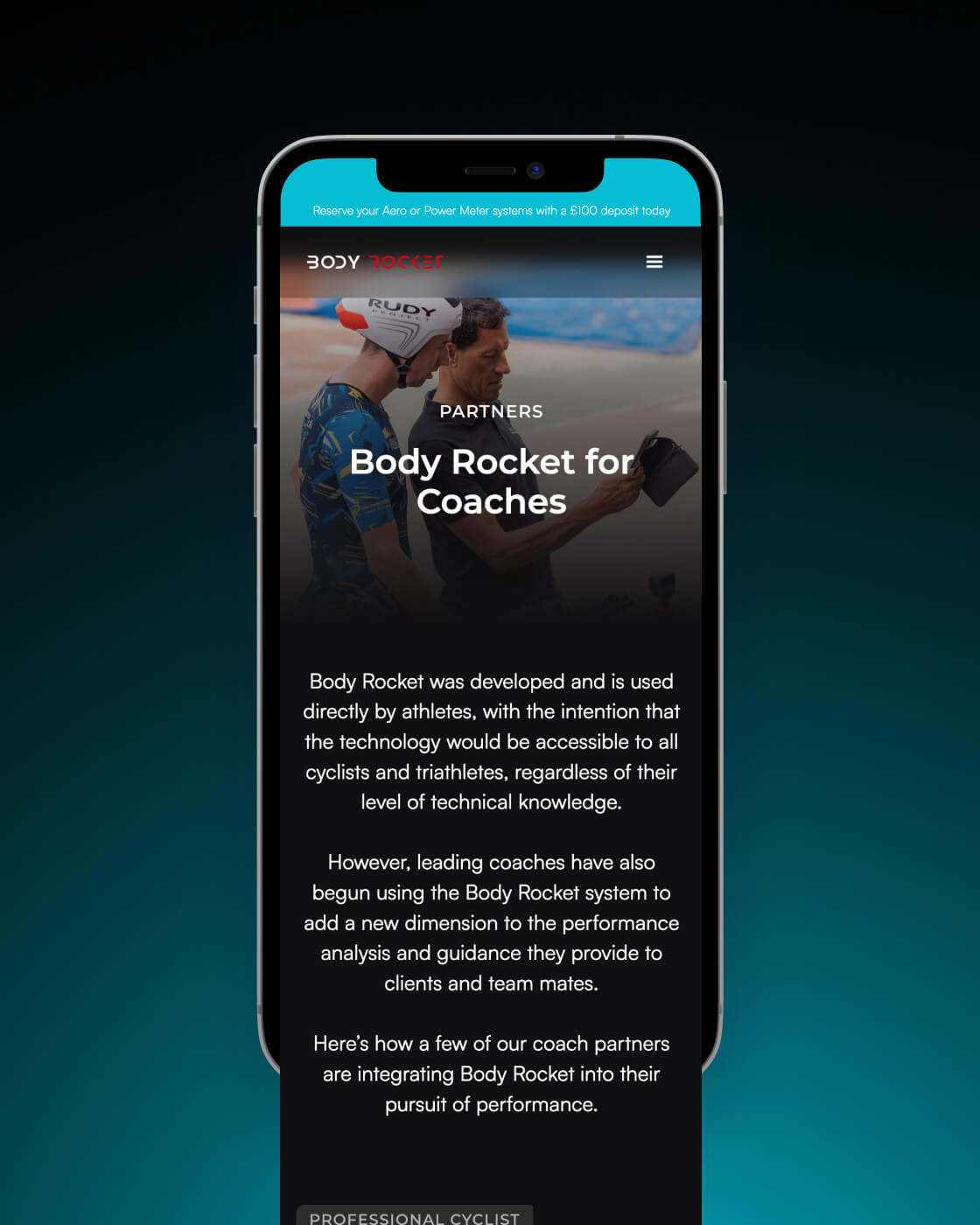
Led with the outcome. The site now opens on watts saved and time saved over 40km. The engineering comes later, once the visitor wants the result.
Showed the range and the prices. Four systems, four price points, on the homepage. Hiding a £3,500 price doesn't remove the objection. It just delays it until after the visitor has left.
Showed the product working. A video hero, not a static explanation. You can't show a device measuring drag in real time with a photograph.
Gave investors their own path. A dedicated landing page, fed by a separate email list, so the investment case didn't dilute the consumer story.
Built a route to a human. At £3,500, most visitors aren't going to buy on a first visit. They want to ask someone a question. "Talk to an expert" became a primary action on the site, wired directly into the sales team's Calendly. Booking a call stopped being a buried contact form and became the main thing the site asks you to do.
Put credibility where the hesitation is. Athlete quotes, press logos and a three-step install sequence placed at the points in the journey where people stall.
Then added commerce. A second phase brought Stripe checkout, structured product pages, and a bike fitter tool answering the question every professional buyer asks first: does this fit the bikes I work on? All of it on a CMS the team runs themselves.
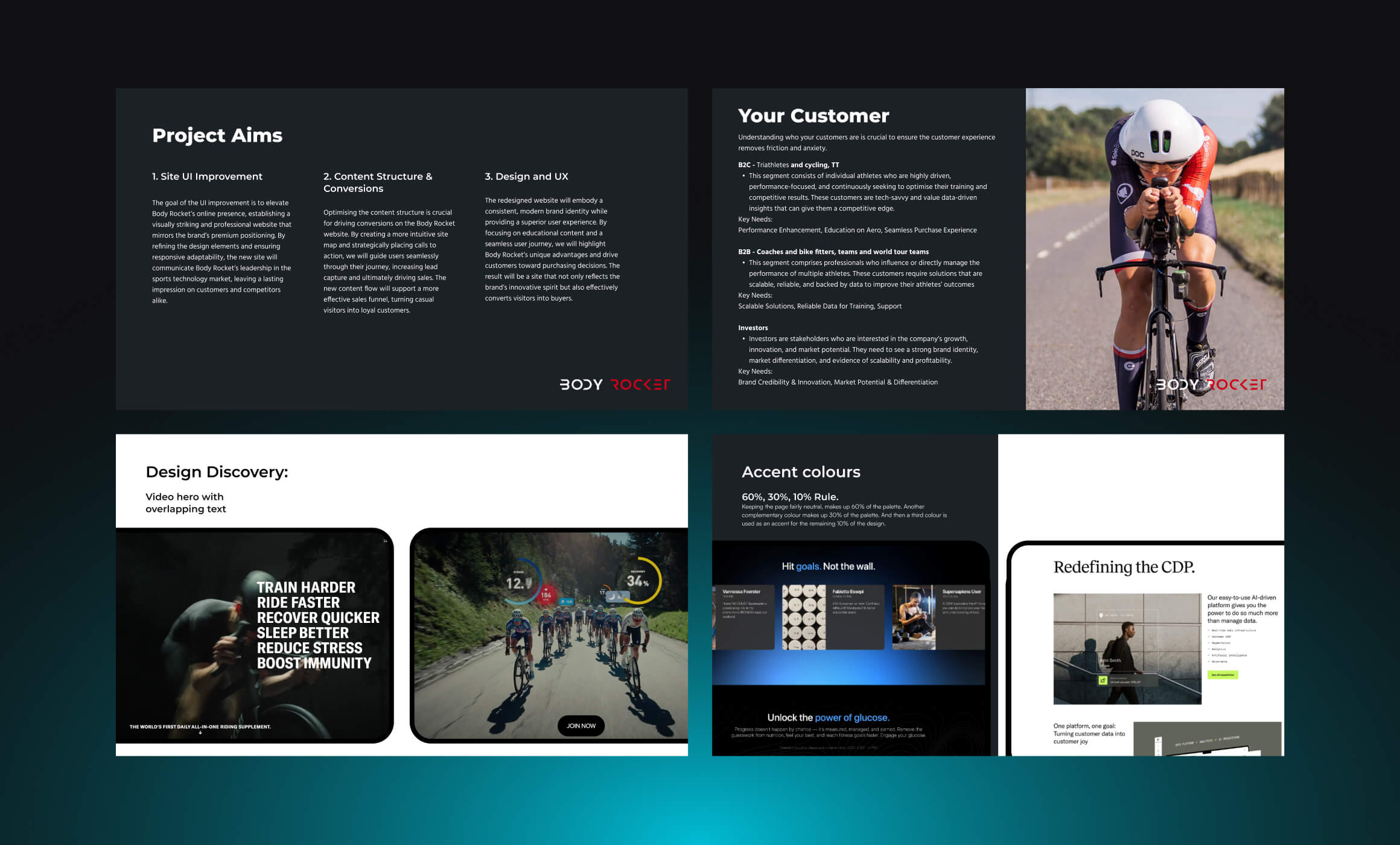
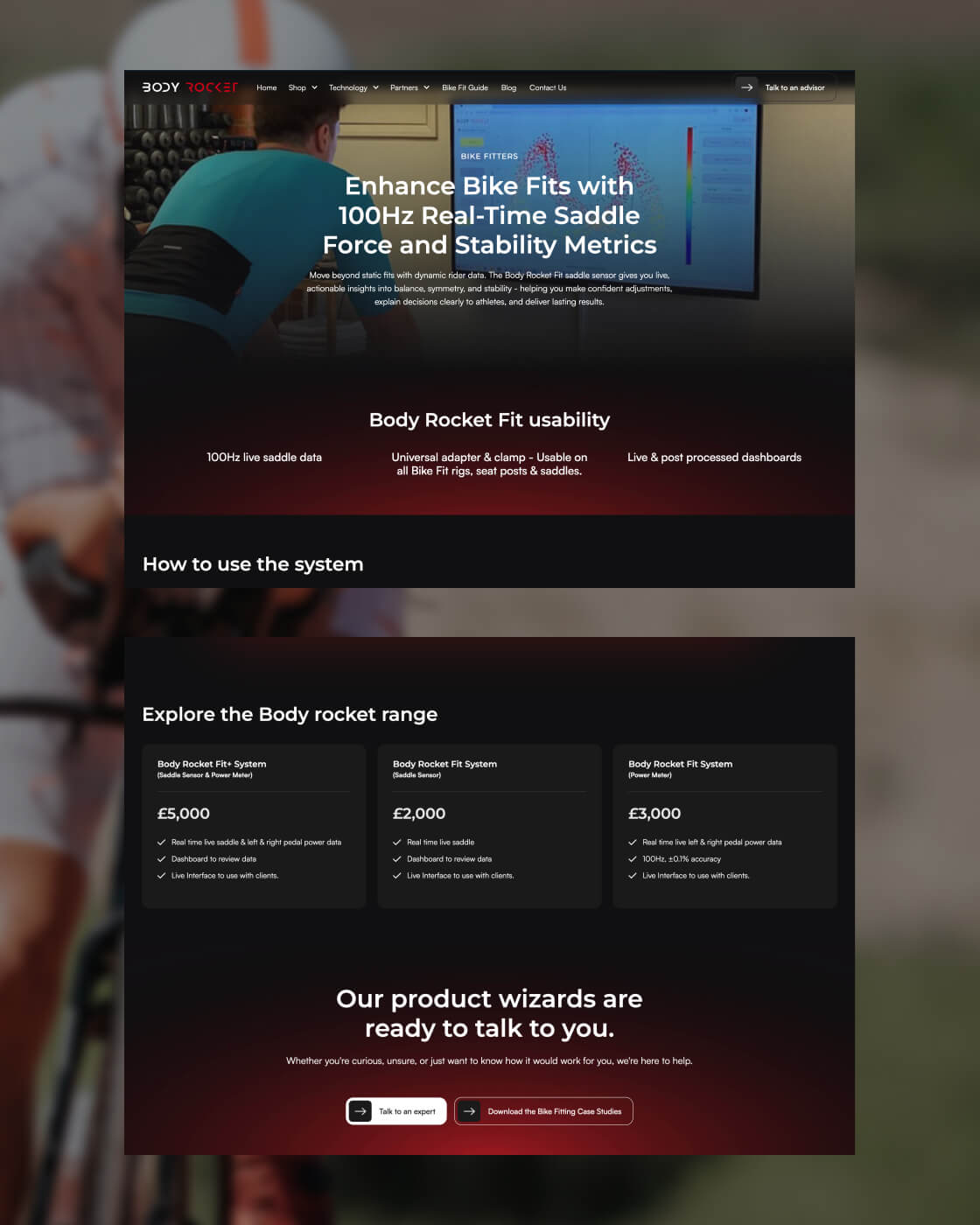
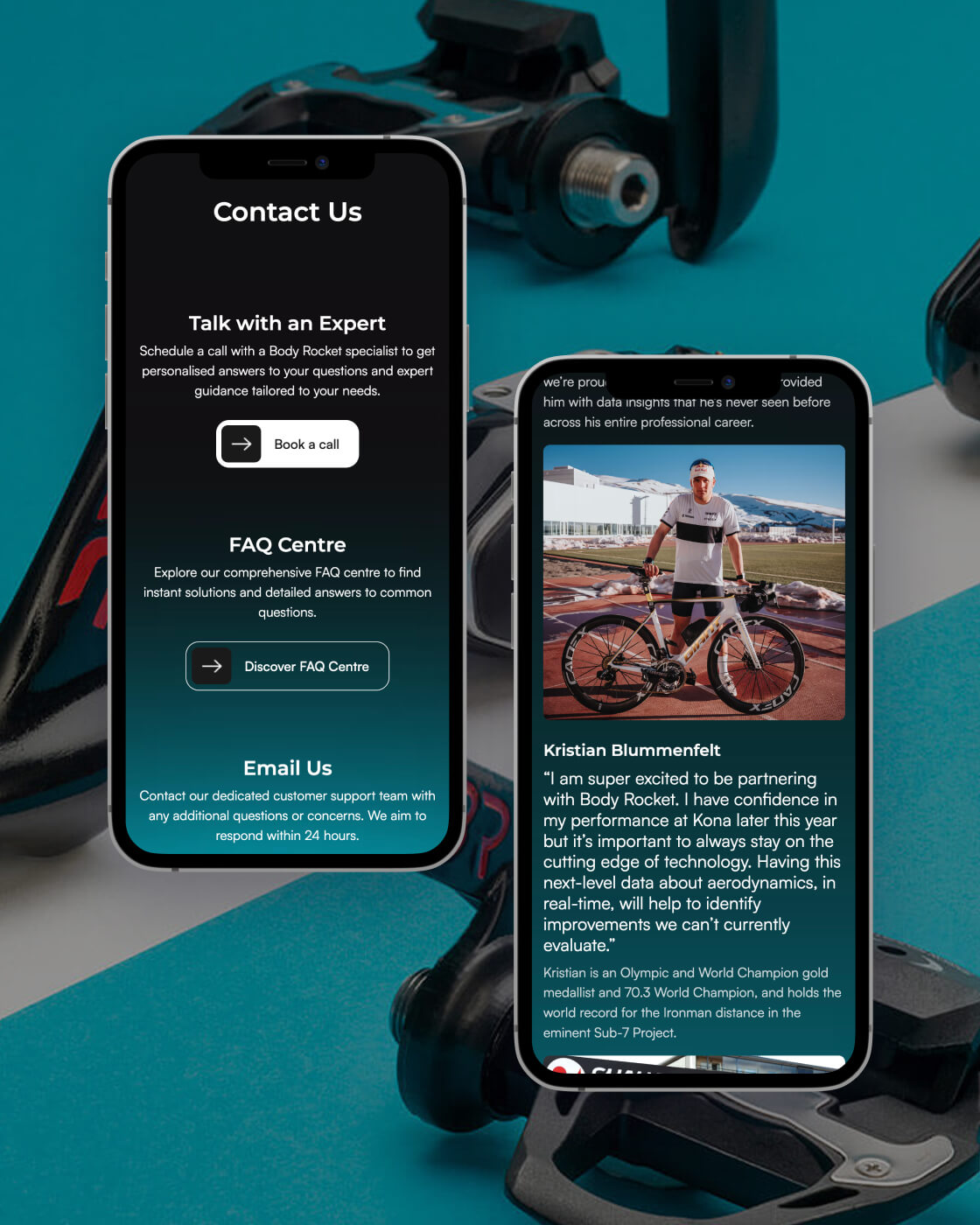
The Kickstarter closed at 191% of target. £42,013 against a £22,000 goal, from 23 backers, in 35 days. That's an average commitment of over £1,800 each on hardware nobody had seen.
Calls booked through the site rose 250%. Four warm leads before. Fourteen booked calls after. For a £3,500 product, the booked call is the conversion that matters. Almost nobody buys without speaking to someone first. That route didn't exist on the old site.
One in seven visitors now joins the mailing list. Most direct-to-consumer sites manage one in fifty.
Revenue after launch ran at 4:1 against revenue before.
The campaign gave Body Rocket validated pre-orders and public proof – and the momentum to keep raising and keep building.
"Before the rebuild our website had brought in about £5,000 and four warm leads. We were weeks away from asking strangers to commit thousands of pounds to hardware that didn't exist yet, and the site was explaining our engineering instead of selling the outcome.
Avalon rebuilt the whole journey around what the rider actually gets. We closed the Kickstarter at 191% of goal in 35 days. Revenue quadrupled, calls booked through the site went up 250%, and one in seven visitors now joins our mailing list.
He wasn't taking a brief. He was telling us what the site needed to do and why."


Director & Many Creative Hats
Whether you have a clear brief, a loose idea, or just a sense that something isn’t quite clicking, it starts with a conversation.
A focused 30-minute call to understand your product, your goals, and your customers. From there, we shape the positioning, clarify the journey, and design an experience built to convert.
No pitch deck. No pressure. Just clear thinking, a defined outcome, and a path forward that makes sense for your business.